Nextport International uses cookies to improve your experience. By clicking "Accept All," you agree to our Cookie Policy and Privacy Policy.
Nextport International uses cookies to enhance your browsing experience, analyze site traffic, and provide personalized content. By clicking "Accept All", you consent to our use of cookies. For more information, read our Cookie Policy and Privacy Policy
Customize which cookies you want to accept
These cookies are essential for the website to function properly. They enable core functionality such as security, network management, and accessibility. You cannot opt-out of these cookies.
Examples: Session cookies, security tokens, cookie consent preferencesThese cookies help us understand how visitors interact with our website by collecting and reporting information anonymously. This helps us improve our website's performance.
Examples: Google Analytics, page load speed, error trackingThese cookies help us understand how visitors interact with our website by collecting and reporting information anonymously. This helps us improve our website's performance.
Examples: Google Analytics, page load speed, error trackingThese cookies are used to deliver personalized advertisements relevant to you and your interests. They also help measure the effectiveness of advertising campaigns.
Examples: Facebook Pixel, Google Ads, LinkedIn Insight Tag
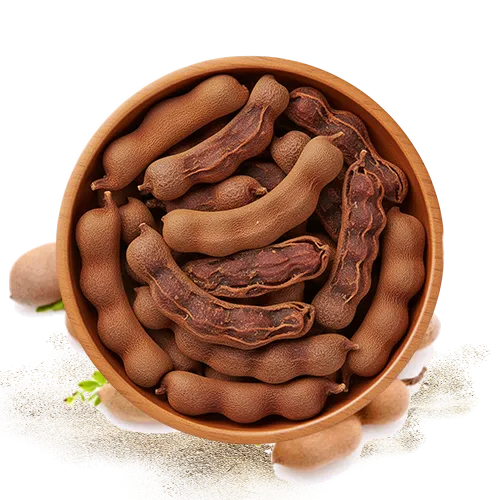
Sri Lanka's tropical climate and fertile dry-zone plains produce premium-grade Ceylon Tamarind, cherished globally for its rich tangy flavor, dark pulp, and natural tartaric acid content. Harvested from long-lived tamarind trees (Tamarindus indica), the fruit is a key ingredient in both culinary and industrial applications, prized for its flavor-enhancing, preservative, and nutraceutical properties.
Main cultivation and wild collection areas include:
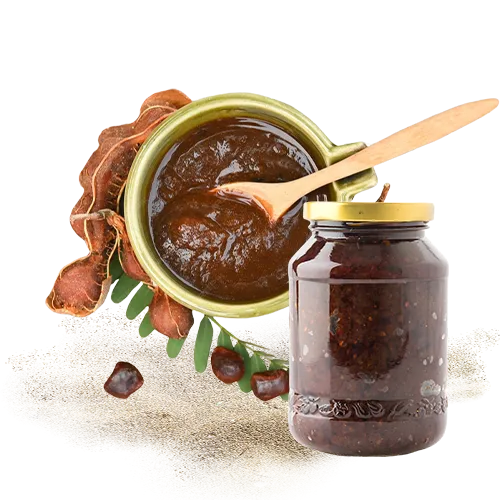
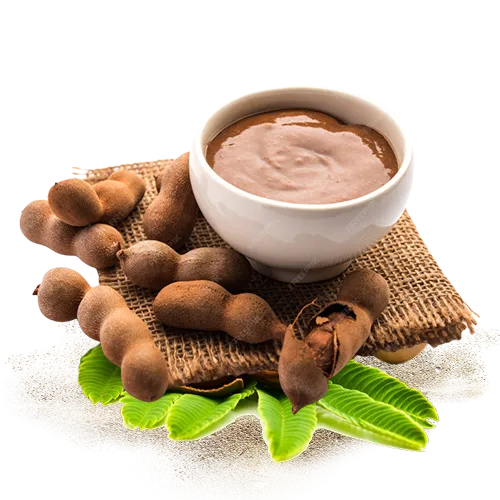
The hot and dry climate produces pods with dense pulp and high acidity—ideal for export as whole pods, deseeded pulp, paste, or powder.
| Botanical Name | Tamarindus indica L. |
|---|---|
| Family | Fabaceae |
| Common Names | Ceylon Tamarind, Indian Date |
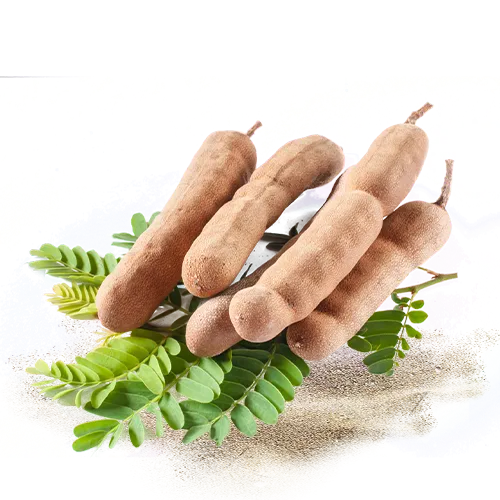
| Plant Description | Large evergreen tree (up to 20 m) producing brown, curved pods containing sticky, dark-brown pulp and shiny seeds. |
| Harvesting Method | Fully matured pods are hand-picked, deseeded, cleaned, and sun- or mechanically dried to preserve flavor and shelf life. |
| Parameter | Whole Pod | Pulp (Deseeded / Pressed) | Tamarind Powder |
|---|---|---|---|
| Moisture % (max.) | 15 | 12 | 8 |
| Tartaric Acid % (typical) | 8–12 | 8–12 | 8–10 |
| Sugar % (approx.) | 25–30 | 25–30 | 20–25 |
| Color | Brown shell | Dark brown pulp | Light brown |
| Texture | Firm, sticky | Soft, fibrous | Fine powder |
| Treatment Options | Sun-dried / Air-dried / Steam-sterilized | Same | Same |
| Microbiological Limits | Salmonella – Absent/25 g; TPC < 10⁵ CFU/g | ||
| Packaging Sizes | 25 kg / 50 kg bags | 5 kg – 25 kg packs | 500 g – 25 kg pouches |
Store in cool, dry conditions (< 25°C).
| Container Type | Typical Load | Notes |
|---|---|---|
| 20-ft FCL | 12–14 MT | Moisture-control desiccants used |
| 40-ft FCL | 25–27 MT | Temperature-monitored optional |
| Shipping Terms | FOB / CIF Colombo – Negotiable per buyer requirement | |
Ceylon Tamarind stands out with its naturally high tartaric acid content (8–12%), providing superior souring capacity for culinary applications. Harvested from Sri Lanka's dry-zone regions, this traditional ingredient combines authentic flavor with modern food-safety standards, making it the preferred choice for food processors and health-conscious consumers worldwide.